Poliimid 5187 antystatyczny, wysokotemperaturowy
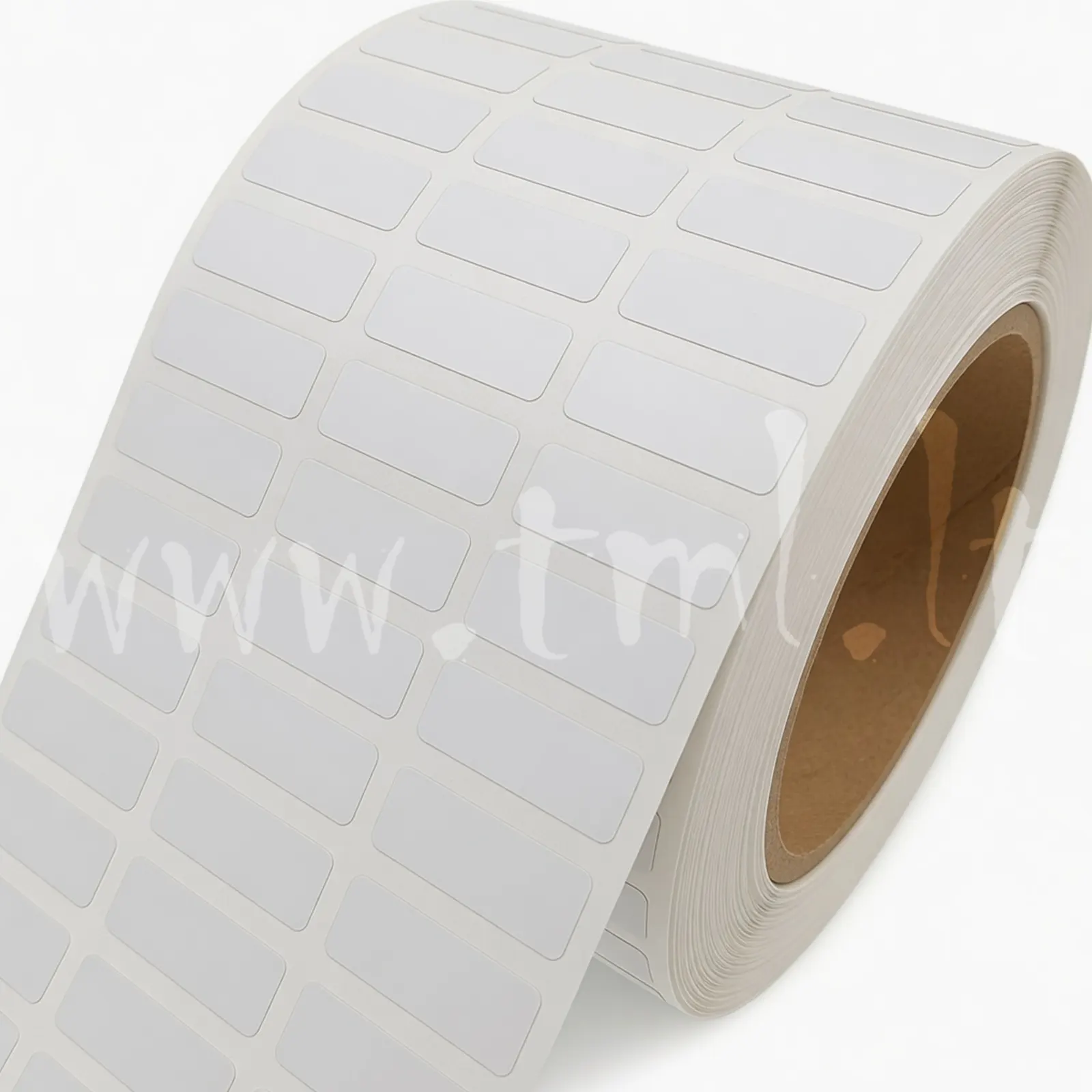
Poliimid 5187 antystatyczny, wysokotemperaturowy
High-temperature antistatic labels made of white glossy polyimide 5187 with a standard adhesive. The material is antistatic, suiting for labeling electronic components.
Heat-resistant labels:
• Colour: white
• Surface: glossy
• Material: polyimide
• Adhesive: standard
| Main application | Identification label |
| Technological labeling of electronic modules and components sensitive to static discharge. Resistant to high temperatures and aggressive solvents that may occur during the production of printed circuit boards. Primary consumers: manufacturers of electronic modules and components. | |
| Material type | Polyimide, 25 microns |
| Optimal material for technological marking of printed circuit boards and electronic components during assembly. It is characterized by an antistatic feature (material has a special treatment that prevents the accumulation of a static charge, in accordance with EIA 625 and 541 standards), high thermal and chemical resistance. Complies with industry standards (Pb Free, RoHS, Halogen Free, UL969). | |
| Operating temperature | From -40°С to +125°С (up to 5 min +260°С, up to 90 s + 300°С) |
| Continuous impact of this temperature does not change the properties and appearance of the label. | |
| Adhesive (adhesive layer) | Standard |
| Acrylic adhesive, polymerising under pressure. | |
| Color and appearance | White |
| Provides high contrast of barcodes and compact two-dimensional codes (QR codes, Data Matrix codes) and graphics. | |
| Surface coating | |
| Smooth coating suitable for thermal transfer printing using resin-ribbons (see list of recommended ribbons). The printed image is resistant to high temperature and washing during the production process of the printed circuit boards. | |
| Labeling recommendations | |
| For best result, it is recommended to apply the label on a clean, degreased, dry surface, press or roll it with a rubber roller, and incubate for 24 hours at room temperature. | |